
Dog Days Are Over?
What I’m discovering about accessibility as I navigate the world with wheels.

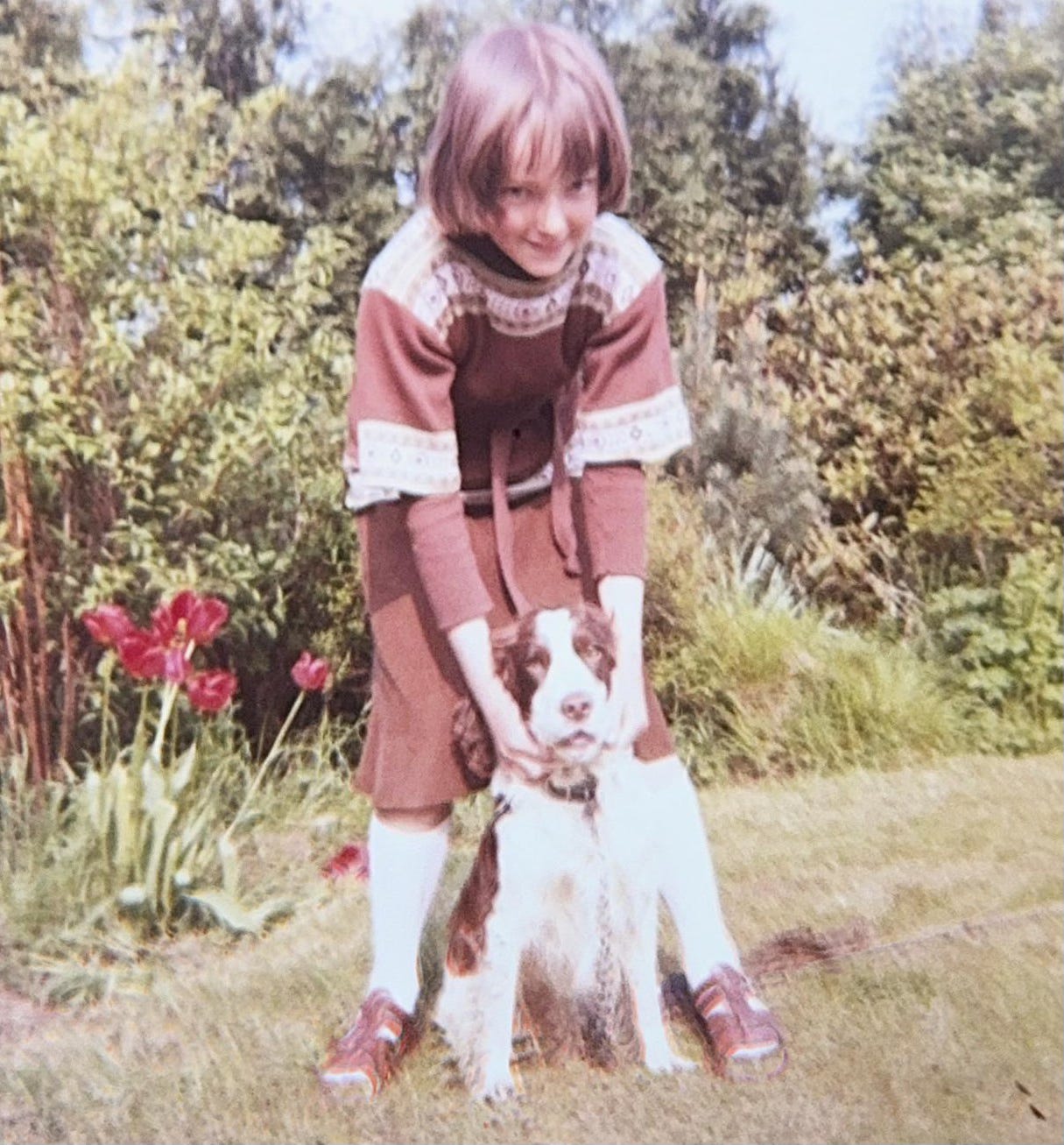
I need to preface what I’m about to say by confirming that I love dogs. Some of my best friends have the most adorable dogs. In fact, as the above photo shows, I have been a dog owner myself. There I am, aged around 10 with my arms draped lovingly around my young pup, Jason.
In a different photo, twenty five years later, my arms are again draped lovingly around another young pup with the name of Jason.
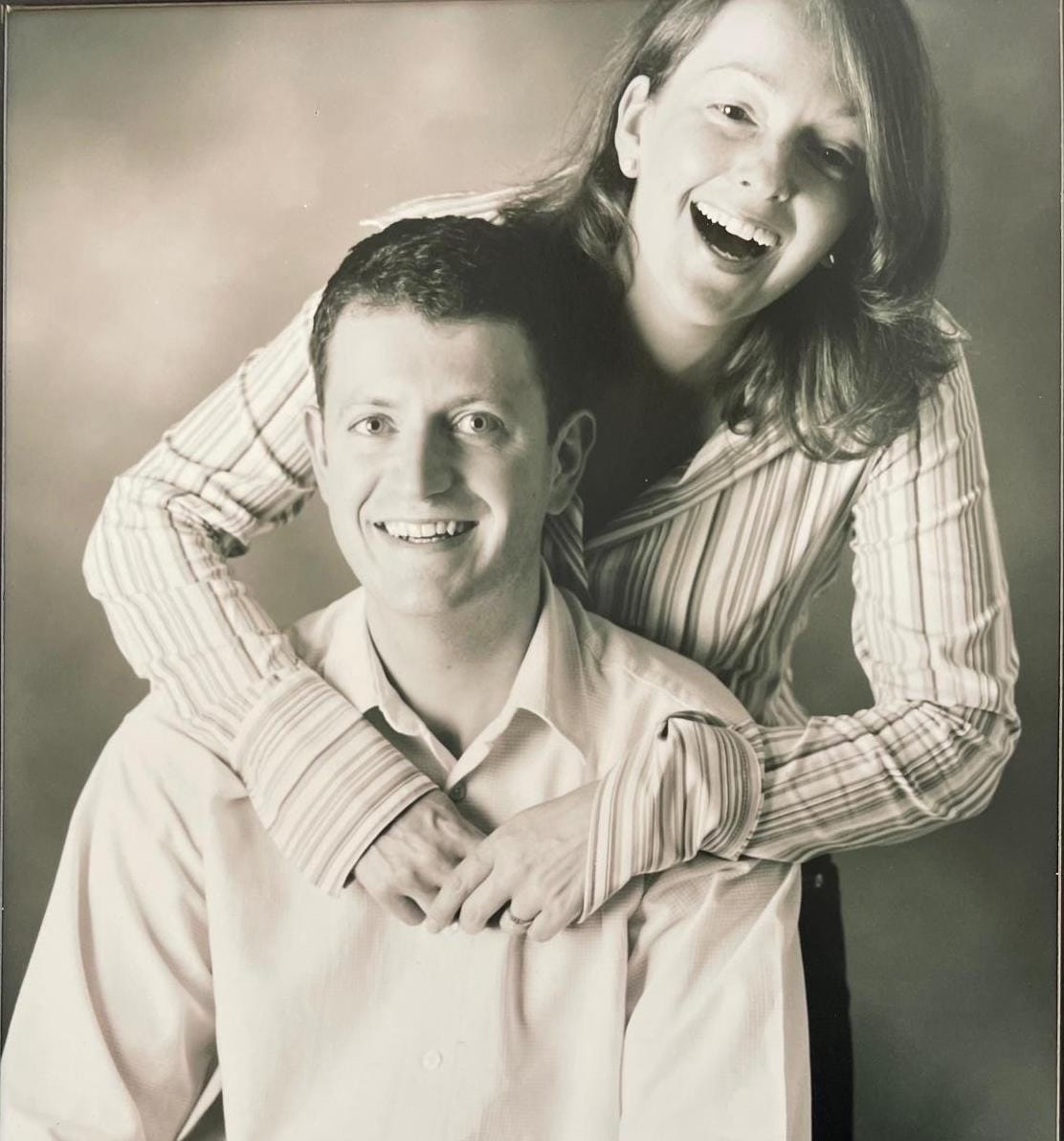
And so, it could be said that my love for dogs was once so strong that I went on to pick a life partner with the same name as my long deceased cocker spaniel.
Stick with me on the dog theme, it will make sense soon.
Despite all that dog love, sometime last year I fell out with canines in a big way. Why? As a person disabled by Multiple Sclerosis over the last few years, outside home I get around largely with wheels, whether it’s a rollator, walking bike, or a scooter. So I need to know about accessibility. And in the pursuit of this knowledge, I started to notice a bizarre and troubling phenomenon. Whenever I went online to check out places I planned to visit, cafés, restaurants, hotels etc., I was confronted with zero or very limited information about how accessible they were. For instance, was there step free access, a toilet on the ground floor, or an accessible bathroom? More often than not, there was no information at all.
However. I could easily find out not only whether I could bring a dog, but indeed that dogs would be positively welcomed, catered for and sometimes even pampered. It started with planning for a weekend away, and on the main page of the hotel website was a banner with cute photos of dogs that read:
“Surrounded by landscaped lawns and gardens, the hotel opened its doors to guests and their prized four-legged friends in 2018. A number of selected rooms are dedicated to dogs that are close to the exit so they can answer the call of nature in the mornings and evenings. We will even provide a doggy breakfast for them in the morning.”
Ah, that’s nice I thought, as I browsed the hotel website. Warm cuddly feelings soon melted into indignation however as I searched for information about how my needs as a disabled person would be similarly prioritised. I struggled to find it. I finally scrolled down to the very bottom of the website where I found a clickable “access statement” which led me to a page with generic blah about how this chain of hotels welcomes guests with disabilities. But there were no details about this specific hotel, the one that had so blatantly set out its doggy credentials. Nothing about its accessible rooms, toilets, or how I would get the fuck into the hotel with wheels. Getting the information I needed meant a phone call and interrogation of a poor soul on the end of the line. Although some of my questions were answered, I still felt a little in the dark after the call. But at least I could be satisfied that my dog, if I had one would have easy access to the lawn for a pee in the morning.
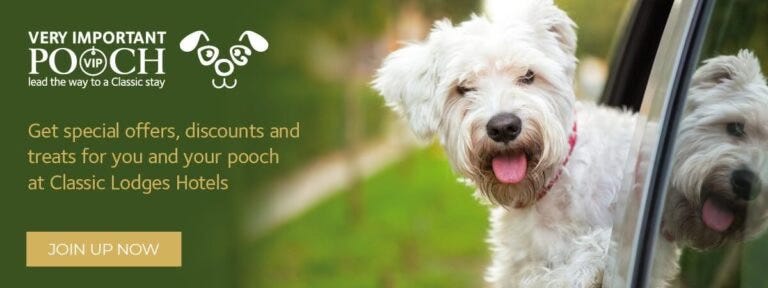
Something similar happened when I booked a holiday with a company offering lodge getaways in pretty settings across the UK. An entire section of the website, again with pampered pooch photos, was dedicated to pet-friendly breaks and all the associated details. And, absolutely sweet nada about accessibility for people with disabilities.
As it turned out, there were no accessible lodges at the location we eventually booked. A big two fingers up to anyone who is a full-time wheelchair user without any or very limited use of their legs. After phoning the company I found out that access to the lodge was stepped, but with handrails, and that the showers, although a little in the danger zone for me with regard to accessibility (no grab rails), were step free. Being able to stand and walk a bit, I made the decision that I would be ok with this set up, as the site was exactly where we wanted to be. And by then I was too sick of all the research to look for an alternative.
Closer to home, I checked out the website of a bar to see if I could attend my neighbourhood book group. Similar story. ‘Dogs welcome, water bowls provided”. Clearly stated. Regarding disability access, it may as well have invited me to come and take a punt and see if I could get in on wheels. From the images on the website it certainly looked like there were steps involved. Maybe I could get my fellow book-groupers to hoist me and my mobility aid up there? By this point I was tired of the extra effort needed to find out. I didn’t go.
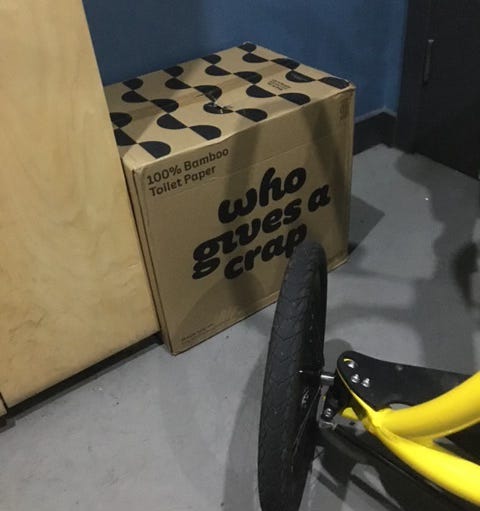
Akin to this, the website of a local coffee shop proudly advertised itself as dog friendly. But I would be taking a guess on how accessible they were going to be as there was zero information about that. Rumours of their great coffee had me take a chance on access. I found out that their accessible toilet also doubled up as baby changing (so often the case with accessible toilets), and that this one also had triple usage as a storage facility for cardboard boxed toilet roll. This meant there was very little room for me to manoeuvre my walking bike. Wheelchair users would be similarly affected.
I laughed in increasing exasperation as I regaled (non-spaniel) Jason with accounts of my experiences. But inside I was hurt.
How widespread this phenomenon really is can be questioned, but it still keeps cropping up. Only last week, a local beer festival welcomed dogs, (and children!), with details of facilities offered for them. No information about the accessibility of the venue. Come on organisers, who is more likely to be drinking the beer?
But curiosity is better for my soul than outrage. So I’m really giving some thought to why accessibility can be such a problem when it doesn’t have to be. Do these providers of services really think that the accommodation of canine companions is more important than disabled humans? I have faith in humanity, so I don’t believe that. Do they really want accessibility to be a secret discovery keeping disabled people in a state of perpetual wondering until they get to the venue? Ableism, yes for sure plays its part. I’ve written about ableism in one of my posts about mobility aids.
What about economics? 28% of UK adults have a dog - an estimated population of 10.6 million pet dogs (PDSA, 2024). So it makes economic sense to welcome dogs. But 24% of the total population have a disability (DWP Family Resources Survey, 2022/23.) And therefore it also makes perfect economic sense that disabled people are welcomed into public spaces. The untapped potential of disabled people’s purchasing capacity is real. The combined spending power of households with at least one disabled person (known as the purple pound) is worth approximately £274 billion per year to the UK economy. (Scope, 2021). Most sectors of the economy are losing money each month as a result of being inaccessible to disabled people. A 2018 study found that firms championing disability inclusion had higher revenues, net income and profit margins. (Accessibility of products and services to disabled people, UK Parliament, 2024.)
But the social cost of leaving the considerations of disabled people out of the equation is greater. The social model of disability says “people are disabled by barriers in society, not by their impairment or difference”. (Scope, 2024). Obstacles such as lack of information, buildings without step free access or no accessible toilets makes life harder than it needs to be for people with disabilities.
Good accessibility is possible. I’m genuinely grateful for thoughtful approaches to accessibility. And not in a way that disabled people should be thankful for the scraps that are thrown at them. Just a heartfelt gratitude when I can easily find information on a venue’s website, or go out knowing that there are places where environment design is inclusive. I go back to these places time and time again. They receive my purple pounds. Sensible of them.
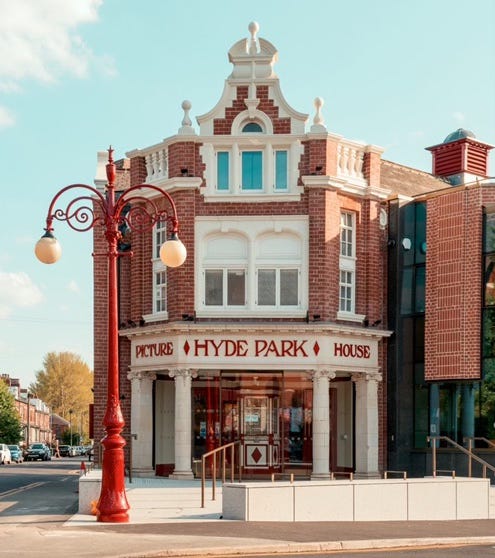
My local independent cinema, the wonderful Hyde Park Picture House, is a great example and shows what can be done with care, attention, and of course funding, even with a Grade II listed building. It has a permanent ramp in the form of a beautifully paved gentle slope for everyone to access the building, push button entrance doors and a wheelchair accessible lowered counter. Even the website gives “Access” an equal place in the clickable links from the home page, rather than being a generic afterthought in the tiny small print at the bottom. They don’t mention dogs. Apart from those which come from a Reservoir 😉.
I also had a good experience booking theatre tickets locally. You can join an access scheme and view and book step free and accessible seats or wheelchair spaces directly from the website of the Leeds Playhouse.
And one of my favourite restaurants, Zucco (fairly small, local and independent) has a spot on the end of their banquette seating that’s perfect for folding up my rollator and sliding it in next to me at the table. They always let me book that spot. And I have found their accessible toilet provision to be excellent.
Alas, there are swathes of wild and wonderful countryside and landscapes that are simply no longer accessible to me because I can’t move in the way I used to. But I’m happy to leave those places for the dogs. And I wouldn’t expect flattening and tarmacking the canyons of Utah or the Yorkshire Dales just so I can get amongst it all. Some things I accept are not possible. At the same time, examples of good accessibility pop up in places that I wouldn’t have expected. I found out recently that the Colliseum in Rome is accessible, its main entrance has no stairs, inside it’s mainly flat, and there’s a lift to the upper floor. And it’s 2000 years old!

You may have never encountered any of these shenanigans, if you and your loved ones are currently abled. But good accessibility benefits everyone. Step free access benefits people with pushchairs or people with other health conditions who might not necessarily consider themselves disabled. And of course places with good accessibility benefit from disabled patrons spending their money there.
I never considered accessibility until I had to. Now it governs my life. Being confronted by thoughts of whether you’ll be able to access a place forms the day to day for many disabled people. It seems that for every well thought out inclusive, visible accessibility plan and really great access, there is scarcity of information, no way to access a space without using steps, and a gazillion other haphazard, non-sensical ways to make a place not really that accessible when it claims to be.
The existence of such barriers can start to make you question whether you’re welcome in the world at all. I’m starting to develop a thicker skin about it, but that has taken time. If you’re newly disabled, I see you. If you’ve been around this game for longer than I have, you’ve probably dealt with worse, so I applaud your fortitude for carrying on going out in the world, though I understand if you decided to stay at home. Sometimes I do that too. Nowadays I complain politely and make suggestions when I encounter accessibility problems. I hope this small scale advocacy makes at least a little difference. If ever I find some spare time or energy, I hope to do more.
Call me an optimistic fool, but I have to believe that disability access is improving. Although there is much work still to be done, there are many great examples of progress. I have hope, that in my lifetime, the dog days of disability access will be over.
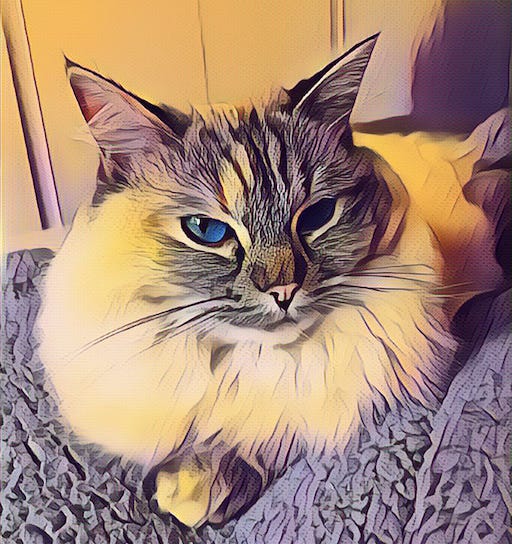
And in any case, I already moved on to cats.
Note. In support of accessibility for users of screen readers, I use Substack’s alt text option on images for all my posts. I never know how useful this is, so if you are using a screen reader, do let me know.
Thank you for reading
Jane 💛
If you haven’t already, subscribe to get new posts directly to your email inbox!
Jane, I think you should write or set up a travel app/ blog to get venues/ hotels etc…to better promote (develop!) their disabled access - and help those seeking disabled user friendly spaces. you could visit them and give them a rating and they in turn would get the disability pound and not the hound pound!!! Harrison on wheels - accessible venues! This is such an important post…
Jane, this is another brilliant and thought provoking piece. You manage to strike such a great balance between humour and conveying the absolute frustration of living in a world where disability access/information is still not given the thought and consideration it should be.